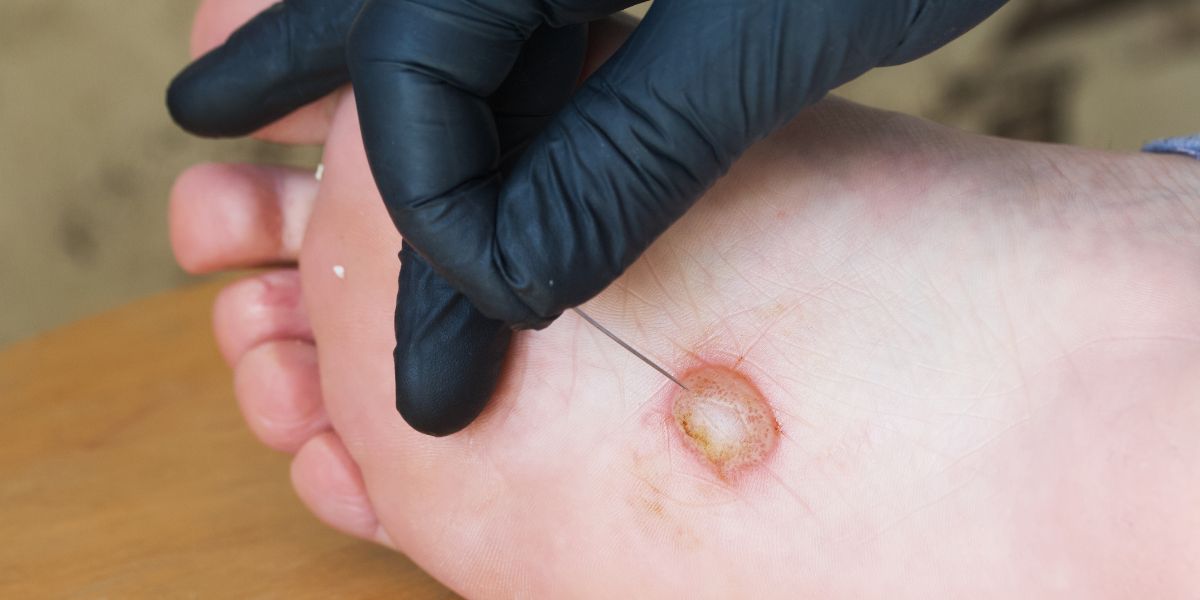
It is a chronic disease that can lead to many complications. It is the cause of concern for more than one quarter of American senior citizens. According to a worrying statistic 10% to 15% sufferers of diabetes are afflicted by foot and leg ulcers. These seemingly innocuous wounds, if left unattended, may escalate to a point where diabetic foot amputation becomes an unfortunate reality. Foot ulcers account for over 80 percent amputations.
Diabetes management is a complex issue that requires a holistic approach, which goes beyond the control of glucose. Foot care is a linchpin in this endeavor and serves as a major protection against the imminent threat of diabetes-related amputations.
Understanding the Landscape
It is difficult to navigate through the maze of diabetes complications. The prevalence of foot and leg ulcers in diabetics highlights the need for increased awareness and proactive care. As the statistics paint a stark image of the condition, it is evident that developing a better comprehension of these complexities is essential to fight against amputations.
The Amputation Conundrum
Amputation is a real possibility for those with diabetes. It’s a reality that is more than simple statistics, impacting individuals on a very personal scale. It’s a long way to go from a minor ailment to the possibility of having to be amputated due to diabetes.
Daily Foot Care: A Protection from Amputation
The basis of diabetic prevention is in the daily foot care. This daily routine is not only about hygiene, but a practice that identifies and addresses potential problems before they turn into dangerous. Every step of this routine is strategically in battling diabetes-related amputations.
Vascular specialists: What is their function
While vascular specialists aren’t able to directly manage diabetes however their expertise plays a pivotal role in minimizing the issues associated with the condition. To reduce discomfort in the legs and to speed up wound healing, establishing optimal blood flow is a key aspect of treatment. This collaboration approach has a clear goal of reducing the chance of amputations related to diabetes.
Strategies for preventing Amputation
navigating the maze of diabetes amputation dangers requires a blend of vigilance, awareness, and expert intervention. For people who suffer from diabetes, taking a proactive attitude is crucial. Regular checks with healthcare professionals including specialists in vascular medicine, can aid in the early detection.
Leg Ulcers, Beyond: Triggers to Consider
Leg ulcers are usually the precursors of more serious complications. They require attention and knowledge. It is vital to understand the triggers that can result in leg ulcers. Recognizing the root cause whether it’s a lack of circulation, neuropathy, or any combination, enables specific and targeted treatment.
Education as a means of empowerment
It is imperative to educate patients with diabetes about the risks of diabetes and ways to avoid them. Education initiatives in healthcare settings and in the general community can bridge the knowledge gap. Being aware of the potential consequences of seemingly innocuous injuries can help prompt prompt responses and potentially prevent the need for diabetic foot amputation.
Battles between private parties, triumphs for the collective
Combating the complications of diabetes isn’t a battle for one person; it’s a collective win. Support networks provide space to exchange experiences, learn from others, and develop coping skills. In the event of an accident and emotional trauma, the impact can be immense. Communities support networks offer security and strength.
To conclude, the journey of diabetes, leg ulcers and the ever-present threat of amputation is multi-faceted. Foot care should be the first priority, but the expertise of a specialist in vascular surgery is also crucial in making sure that there are no complications. Patients with diabetes who are cognizant, adopt prevention measures, as well to build a network of support, will be able to navigate through the maze of complications with hope and resilience, reducing amputation risk.