The adoption of electric cars (EVs) as more people opt for eco-friendly modes of transportation have increased dramatically in recent years. In tandem with this trend, demand for charging infrastructures that charge EVs has risen. This underscores the need for a better understanding of EV-charging processes. What exactly is EV charging and what exactly is it.
In essence, EV charging refers to the process of replenishing the batteries of electric vehicles with electricity. This is the same as refueling gasoline in a conventional car, but with one notable difference: EVs don’t depend on the combustion of fuels to propel themselves forward. Instead, they rely on the power stored in their batteries.
Understanding the various charging methods is critical to EV charging. Electric vehicle owners can avail different charging options that each offer different charging speed and compatibility with various automobiles. We’ll explore some of the options.
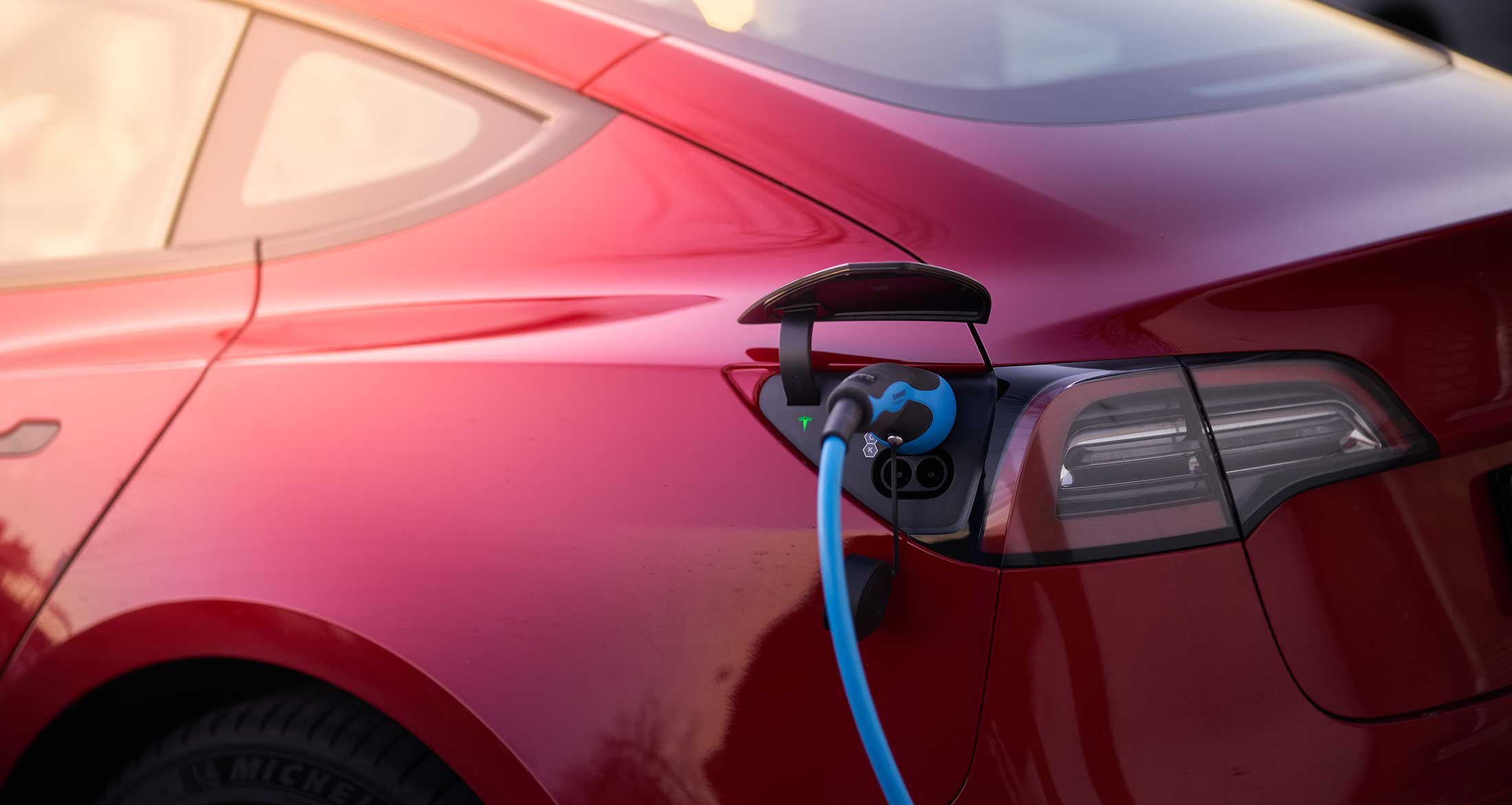
Level 1 Charging. It is the most basic method of EV charging. It usually utilizes an electrical outlet that is located in a household (120 volts). Although convenient, Level 1 charging can be slow and may take several hours for charging an electric car. It is commonly used for overnight charging. For more information, click What is Electric Vehicle Charging
Level 2 Charger Level 2 Charger is able to operate at greater levels of voltage (typically up to the 240-volt range). Additionally, it provides quicker charging speeds than normal charging. This option is common in charging stations for public use as well as homes and workplaces equipped with EV charging devices. Level 2 chargers are suitable for charging overnight at home and can significantly reduce charging times compared to level 1.
DC Fast Charging: Also referred to as level 3 charging, DC fast charging provides the fastest charging speeds of the three choices. It uses greater voltages to facilitate rapid charging, which can charge an EV up to 80% in just a few minutes. DC fast chargers can be located on major roads as well as along major routes, and in commercial areas. They are ideal for long distance travel and quick filling up.
For EV owners, it’s essential to know the options for charging available to them so they can make informed choices about when and where to recharge their vehicles. EV charging is affected by factors like charging speed, convenience of charging as well as the accessibility of charging stations.
Furthermore, the expansion of EV infrastructure is changing the way we think about fueling. The traditional gas stations are being supplemented and in some instances substituted by EV chargers, which reflect the shift towards a more sustainable and cleaner eco-friendly transport system.
Home charging is a benefit for many EV users. Setting up a charging station of level 2 at home makes it easy to charge your vehicle over the night. This will ensure that the vehicle is charged and ready to use the morning. Moreover, home charging offers savings on costs as well as eliminating the need to visit charging stations at public locations.
Although public charging infrastructure will always be essential, it’s especially important for long-distance journeys as well as for owners of EVs who may not have access home charging solutions. As public charging networks grow, and technology for charging improves, electric vehicles are becoming more practical and affordable for a wide range of consumers.
The integration of smart charging devices and renewable energy sources into the EV charger network can also offer exciting opportunities to optimize grids. We can cut down on greenhouse gases and fossil fuel dependency by using renewable energy to charge electric vehicles, like wind or solar energy.
EV chargers are an essential part of owning, and operating, an electric vehicle. By understanding the many charging options, as well the constantly changing landscape of charging infrastructures, EV owners will be able to maximize their efficiency and convenience when driving. As we continue to embrace electric mobility the future of transportation looks bright, powered by clean energy and innovative charging options.